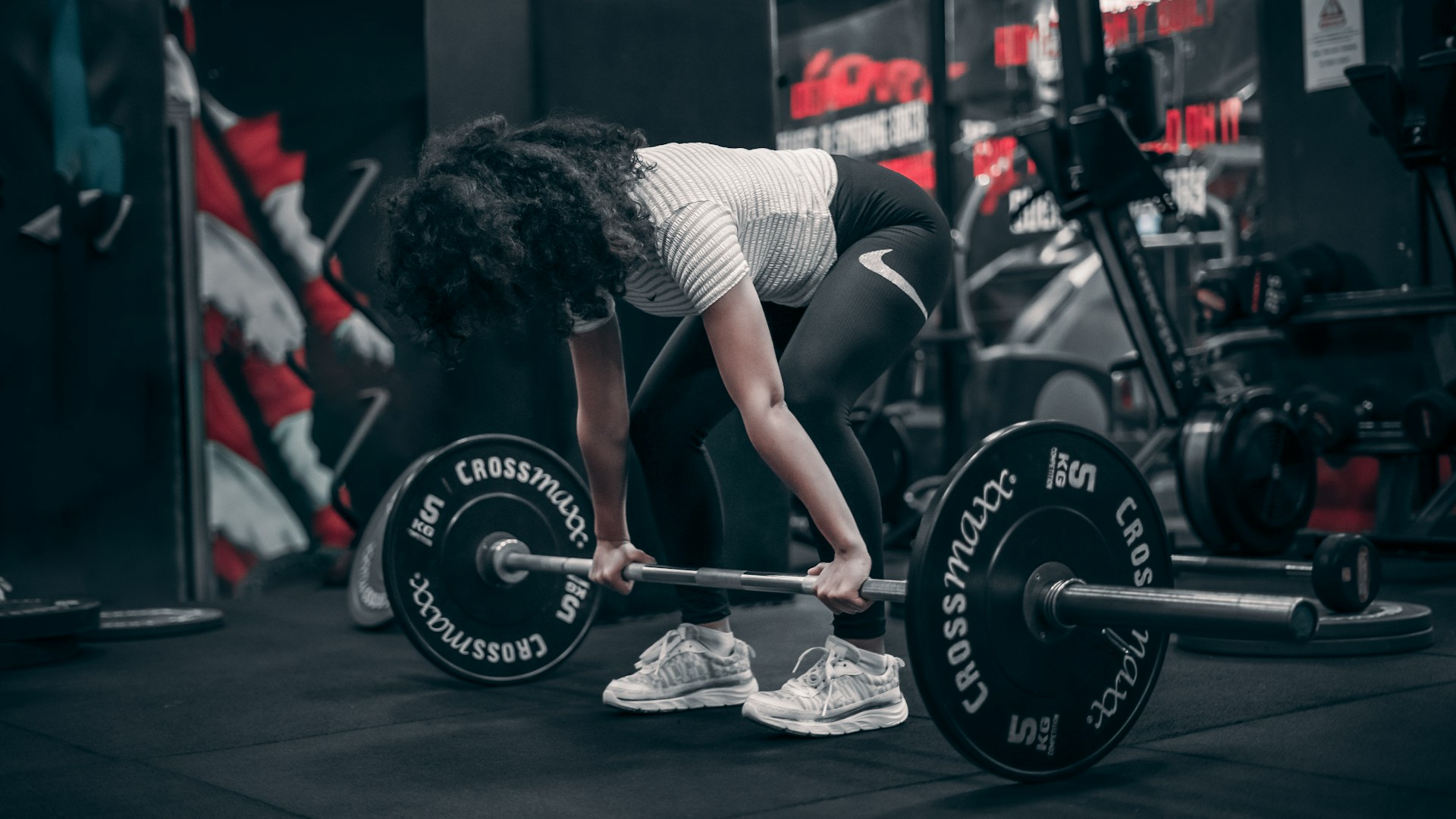
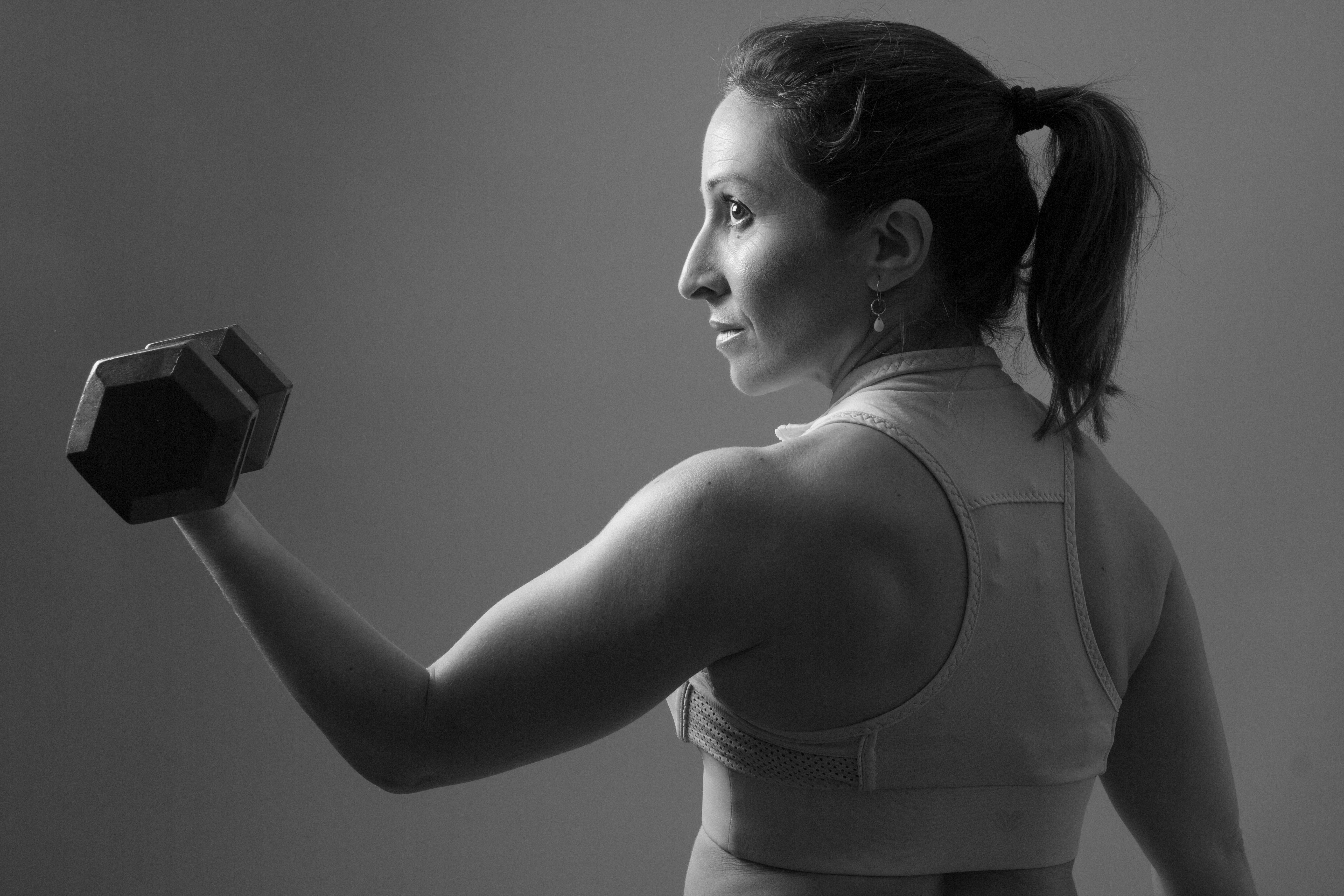
“I want to tone, but I don't want to get big.”
Earlier in my career, before I shifted my focus toward clients with more health- and strength-based goals, this was one of the most common things I heard from potential clients.
“I want to get more defined, but I don't want big muscles.”
“I just want to tone my arms.”
And honestly, I understood what they meant. Most people who say they want to “tone” aren't asking for anything unreasonable. They usually want to look a little leaner, have more visible muscle definition, and maintain a relatively small frame.
The problem is the word tone.
Somewhere along the way, “toning” became a fitness goal that sounds like a completely different physiological process from building muscle. Fitness marketing has reinforced the idea that there is a special kind of exercise that creates “long, lean” muscles, while traditional strength training creates “big” muscles.
Hint: that's not how muscle works.
So let's dissect what “toning” actually means.
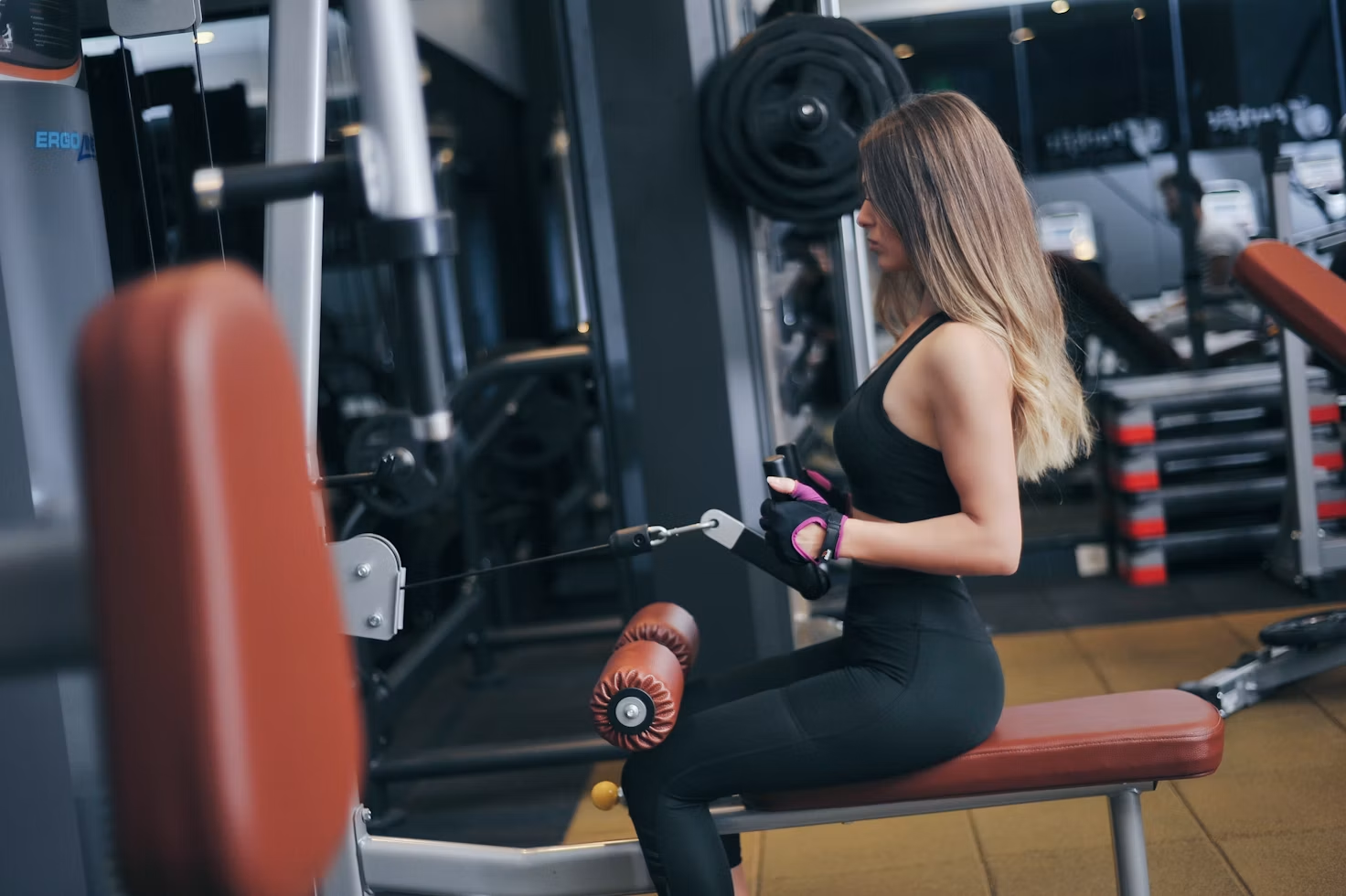
What does it mean to be “toned”?
“Toned” is an aesthetic description, not a scientific one.
When someone says they want to look “toned,” they generally mean that they want some degree of visible muscle definition while maintaining a relatively lean or smaller-looking physique.
That usually means two things:
Build or maintain muscle.
Have a body-fat level that allows some of that muscle to be visible.
That's it… There isn't a special “toning” muscle adaptation hiding somewhere between cardio and strength training.
If you want your arms to look more defined, there needs to be some muscle there to create that shape. If you want that muscle to be more visible, body-fat levels matter too.
If you lose body weight without building or maintaining much muscle, you may become smaller without necessarily developing the defined look you were after (That’s usually where skinny-fat comes from).
If there's no muscle underneath, there's not much to reveal.
And on the other hand, building muscle doesn't automatically mean becoming huge. I’ve already wrote a blog post on this.
So no, doing 3 sets of 20 with a three-pound dumbbell isn't a special “toning” stimulus.
If three pounds is challenging for you right now, then three pounds is a perfectly good weight. But the reason it works isn't because light weights “tone” while heavy weights “bulk.” It's because your muscles are responding to a training stimulus.
Physiologically speaking, muscle doesn’t “tone”. A muscle can only grow or shrink (hypertrophy vs atrophy) or change its endurance (or capacity, which is an adaptation at the cellular level).

You can't “tone” a specific area of your body
This is where the word gets even more misleading.
You'll often see things like:
“5 exercises to tone your arms.”
“The best thigh-toning workout.”
“How to tone your lower belly.”
But your body doesn't work that.
You can train a particular muscle group. You can build the muscles in your arms, shoulders, legs, glutes, etc. But you cann’t pick and choose where your body stores or loses fat.
That is influenced by genetics, hormones, sex, age, and other individual factors. Doing an exercise for a particular body part doesn't mean you'll lose the fat covering them.
So when a fitness influencer promises a “toning workout” for one specific area, what they're really selling is usually a combination of resistance training and an aesthetic promise.
But where did the word “tone” even come from?
The word has a much older history than Instagram workouts and five-pound dumbbells.
The physiological concept of tonus refers to the baseline state of tension or activity maintained by our muscles, even when we're not consciously contracting them. Your muscles aren't simply switched off when you're standing around doing nothing.
Your nervous system is constantly regulating muscular activity to help you:
- maintain posture
- resist gravity
- stabilize your joints
- remain prepared for movement
- control your movements
So historically, muscle tone, in the physiological sense, is about readiness and regulation.
That's very different from what we mean when we say:
“I want to tone my arms.”
Modern “toned” is primarily an aesthetic description. Physiological muscle tone is a real concept involving the nervous system and muscular activity.
So how did we get from one meaning to the other?
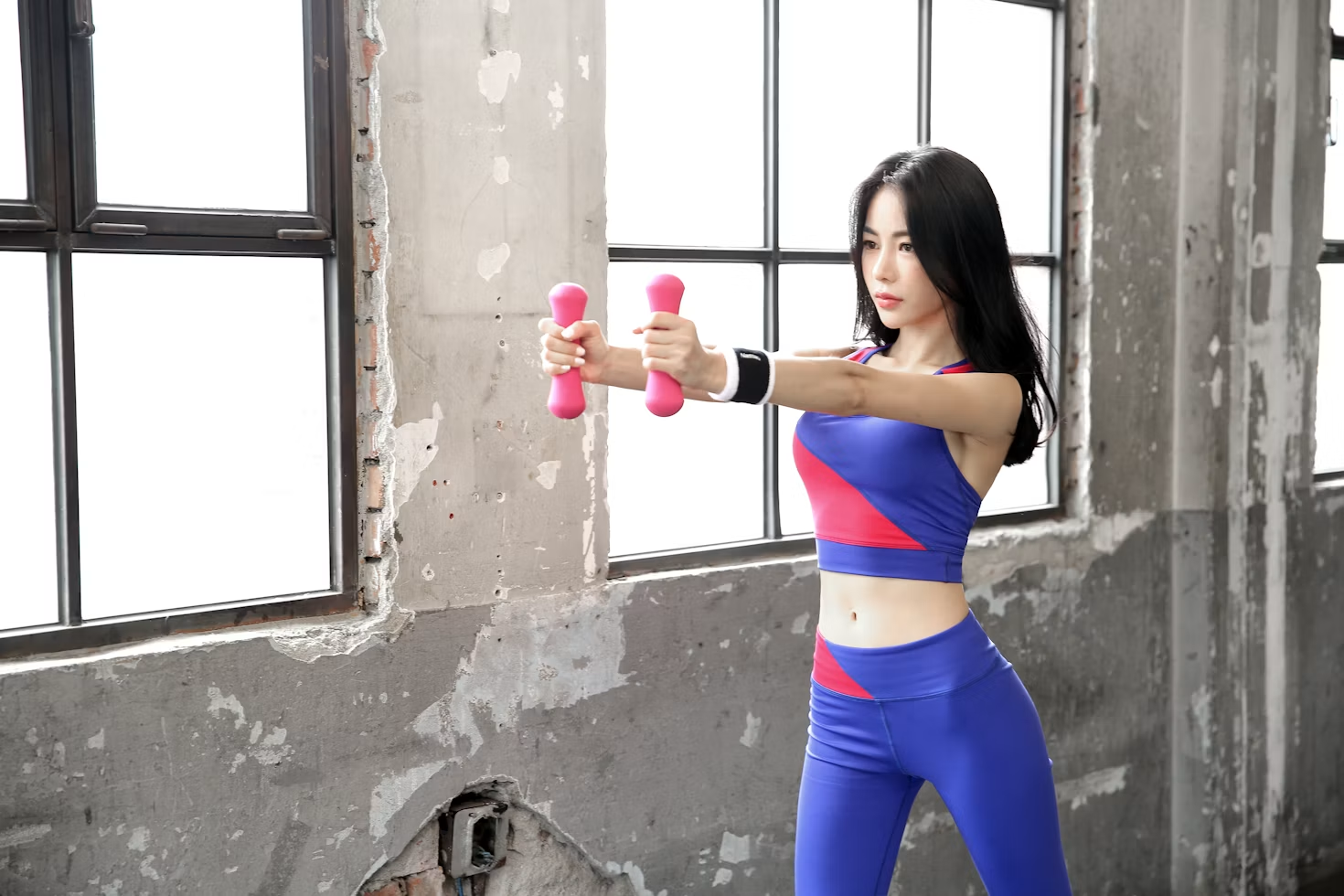
When exercise became a beauty project
To understand that, we have to look at the history of women's fitness.
For much of modern history, strenuous exercise and muscularity weren't exactly marketed to women as desirable.
Women were often discouraged from activities that were seen as too strenuous or unfeminine. Sweating, and straining could be associated with masculinity rather than femininity.
As women's fitness culture developed throughout the twentieth century, exercise became increasingly accessible to women…but there was a catch.
It was often easier to sell women on exercise as a way to look better than as a way to become stronger.
As commercial gyms opened to women, "building muscle" was rebranded as "toning" or "sculpting".
Aerobics, home VHS tapes and boutique methods such as high reps, low weight, are advertised as different as traditional strength training. This era of fitness cemented the word “tone” into the mainstream.
Danielle Friedman's Let's Get Physical: How Women Discovered Exercise and Reshaped the World explores this history in detail, documenting how women helped transform exercise culture while also navigating an industry heavily intertwined with beauty and body ideals.
Women were increasingly being encouraged to exercise, but the goal wasn't always:
“Get strong.”
It was often:
“Get smaller.”
“Look better.”
Exercise was liberating, but it was also being packaged as another tool for modifying women's appearance.
The strange contradiction of “toned”
“Muscular” can sound intimidating.
“Built” can sound big.
But “toned”?
Toned sounds small, feminine and safe.
You can say:
“I want to be toned.”
without necessarily having to say:
“I want to build muscle.”
And I think this is one reason the word has become so powerful in women's fitness culture.
It allows someone to desire the appearance of muscularity without necessarily identifying with being muscular.
Because we've spent a long time teaching women that being strong is desirable, but being too muscular is somehow undesirable.
You can see the contradiction in the gym all the time.
A client tells you:
“I want more definition in my arms.”
Great! So you start progressively loading their upper body.
Then you pick up a dumbbell that's heavier than the 5-10 lb weights they're used to.
Suddenly:
“I don't want to get bulky.”
“I just want to tone.”
And this is why many coaches dislike the word “toning.”
Not because wanting to look toned is a bad goal. It isn't.
It's because the word often comes with a whole set of assumptions about what someone is allowed to do to achieve that goal. They want the visual outcome of having more muscle, but they've been taught to be afraid of the process of building it.
So is “toning” fake?
Kind of…but not in the way you might think.
The look people are describing when they say they want to be toned is absolutely real.
What doesn't exist is a separate physiological process called toning that sits between “building muscle” and “losing fat.”
There isn't a special type of muscle that is “long and lean.” Muscle is muscle.
There isn't a magical weight range where dumbbells “tone” your muscles but heavier weights make you bulky.
And there isn't a specific exercise that tells your body to burn fat from your underarms, thighs, or stomach.
What we call “toning” is really an aesthetic outcome produced by changes in muscle and body composition.

So should we stop saying “toning”?
I don't think we need to ban the word. If a client tells me, “I want to tone,” I know what they probably mean.
The more important question is:
Do THEY know what they mean?
If “toning” means:
“I want to build some muscle, improve my body composition, and have more visible definition while maintaining a physique that feels good to me,”
That's a perfectly valid goal.
But you need to understand that there is no secret toning workout to achieve it.
You need resistance training and enough protein to build muscles.
You may need a calorie deficit if reducing body fat is part of your goa and you want those muscles more definedl.
And you need time and consistency.
You don't need to be afraid of muscle.
The strangest thing about the word “toned” is that it describes an appearance that requires muscle, while simultaneously making people afraid of building that muscle.
The problem isn't that women want to be toned.
It's that we've spent decades teaching women to be afraid of being muscular enough to create the look they're asking for.
So the next time you tell your trainer you want to “tone,” that's totally fine.
Just know what you're actually asking your body to do.
You aren't asking it to tone.
You're asking it to build muscle and reveal it.