Beauty Trends Come and Go. Your Health Doesn't.
If you've spent any time on social media lately, you've probably noticed it. The "skinny" look is making a comeback.
Every few years, beauty standards seem to do a complete 180.
One decade celebrates curves, the next praises being as lean as possible. Suddenly, everyone is chasing a different body type, convinced that this time, this is what being healthy or attractive should look like.
But here's the thing: Your body doesn't care what's trending.
Your body cares about whether you can climb a flight of stairs without getting winded. Whether your bones are strong enough to withstand a fall. Whether you can carry groceries, play with your future grandchildren, recover from surgery, or simply continue doing the things you love as you age.
Those things have very little to do with fitting into whatever beauty standard is currently in style. But, they have everything to do with how strong, capable, and resilient your body is.
And before you worry, no, strength training doesn't automatically make you bulky. I've already written an entire article about this (spoiler: it's much harder to build muscle than most people think).
Today, I want to talk about something much more important… Let's forget aesthetics for a moment.
Here are some of the biggest reasons why building and maintaining muscle may be one of the best investments you can make for your future self.
1. Muscle Is Your Retirement Fund
No one notices muscle loss because it happens slowly.
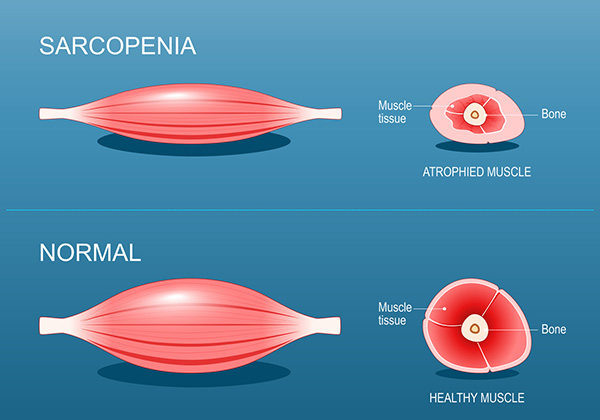
Starting around your 30s, adults gradually begin losing skeletal muscle mass and strength. This age-related decline is called sarcopenia.
While the rate varies between individuals, muscle loss accelerates as we get older, especially after the age of 60. Left unchecked, it can make everyday tasks that once felt effortless become increasingly difficult.
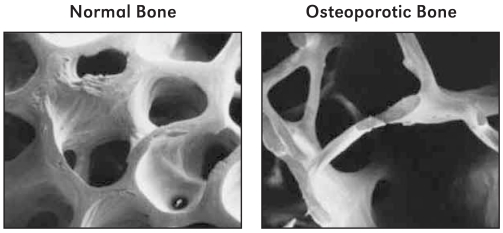
At the same time, many women also experience a gradual decline in bone density. This condition, known as osteoporosis, weakens bones and makes them much more susceptible to fractures.
According to Osteoporosis Canada, at least 1 in 3 women and 1 in 5 men in Canada will experience osteoporosis-related fracture during their lifetime.
These two conditions often go hand in hand.
Less muscle means less strength to move your body. Weaker bones mean the consequences of falls become much more severe.
The result isn't just "getting weaker." It can affect nearly every aspect of daily life.
Think about how many movements you perform without giving them a second thought:
- Standing up from a chair.
- Carrying groceries into the house.
- Climbing a flight of stairs.
- Picking up a child or grandchild.
- Catching yourself when you trip.
Every one of these relies on muscle.
Muscles don't just create movement, they stabilize your joints, absorb forces, and help you stay balanced. Strong muscles also reduce the amount of stress placed on passive structures like ligaments and joints during everyday activities.
As muscle mass declines, joints often become less stable, movements become less efficient, and tasks that once required no effort begin demanding much more from your body.
This is one reason why falls become increasingly common with age [1].
According to the World Health Organization, falls are the second leading cause of unintentional injury deaths worldwide, and adults over 60 account for the vast majority of serious fall-related injuries. A fall that might result in nothing more than a bruise in your twenties can become a broken wrist, fractured hip, or lengthy hospitalization later in life.
In older adults, hip fractures are particularly concerning because they often lead to prolonged immobility, loss of independence, and a significant decline in overall health.
The good news?
Muscle is remarkably adaptable.
Research consistently shows that resistance training can increase muscle strength and improve physical function even when someone begins exercising later in life. While we can't stop aging, we can dramatically influence how well our bodies age [2].
Think of muscle like a retirement fund. Every workout is another deposit.
The more consistently you invest today, the more you'll have to rely on decades from now.
2. Strong Bones Don't Happen by Accident
Your skeleton is living tissue that is constantly breaking down old bone and replacing it with new bone in a process called bone remodeling.
Throughout your life, specialized cells remove old or damaged bone while others lay down fresh bone tissue. Under healthy conditions, this continuous cycle helps maintain bone strength and repair microscopic damage from everyday life.
But there's a catch.
Bones only become stronger when they're given a reason to.
This idea is often explained by Wolff's Law, which states that bone adapts to the loads placed upon it. When bones experience mechanical stress, such as lifting a heavy object, they respond over time by becoming better able to handle those forces. [3]
This is one of the reasons strength training is so valuable. Exercises like squats, deadlifts, lunges, overhead presses, and loaded carries place meaningful mechanical loads through the hips and spine, areas that are particularly vulnerable to osteoporotic fractures later in life.
Unlike swimming or cycling, which are fantastic for cardiovascular health but place relatively little load on the skeleton, resistance training provides the type of stimulus bones need to maintain or improve their density.
That's especially important for women, who experience an accelerated decline in bone density after menopause due to changes in estrogen levels.
Strong bones don't guarantee you'll never break one. But they improve the odds that your skeleton can withstand the unexpected, whether that's slipping on ice, missing a step, or simply aging.
3. Movement Is Medicine for Your Joints
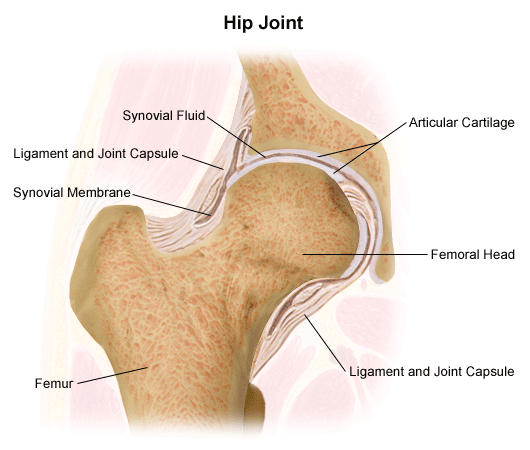
Your joints are the hinges that allow everything to move smoothly.
Unlike muscles, the smooth cartilage covering the ends of your bones has very little direct blood supply. Instead, much of its nutrition comes from synovial fluid, a lubricating fluid inside the joint capsule. [4]
Here's where movement becomes so important.
Every time you bend and straighten a joint, you compress and decompress the cartilage. This acts almost like a sponge, helping circulate synovial fluid through the joint. That fluid delivers nutrients to the cartilage and helps remove waste products.
In other words, movement nourishes your joints.
That doesn't mean every ache and pain can be fixed by exercising. Joint pain can have many causes, and some conditions require medical assessment. But regular movement is one of the reasons appropriately prescribed exercise is often recommended as part of managing many musculoskeletal conditions.
Strength training adds another benefit.
Stronger muscles provide better support around a joint, helping distribute forces more effectively and improving stability during everyday movement. Think of your muscles as your body's natural shock absorbers.
When they're strong, they help protect the joints they're attached to. When they're weak, more of that load is transferred to passive structures like ligaments, tendons, and joint surfaces.
Rather than focusing on having “big muscles”, the goal is to have muscles that allow you to move confidently, comfortably, and often.
Because movement encourages more movement. And a body that keeps moving tends to stay moving.
4. Muscle Is Your Body's Emergency Reserve
Most people think of muscle as something that helps you lift heavier weights or look more athletic. But muscle serves another incredibly important purpose that rarely gets talked about.
It's one of your body's largest protein reserves.
Unlike carbohydrates and fat, your body doesn't have a dedicated storage system for amino acids. Instead, skeletal muscle acts as a reservoir that can be broken down when your body suddenly needs large amounts of protein.
During periods of extreme physiological stress, that reserve can become invaluable. [5]
Imagine someone recovering from:
- Major surgery
- A traumatic injury
- Severe burns
- Cancer treatment
- A prolonged hospitalization
- A serious infection
During these situations, the body's demand for protein increases dramatically. Amino acids are needed to repair damaged tissues, support immune function, produce enzymes and hormones, and help wounds heal.
If those amino acids aren't readily available from dietary intake alone, your body begins breaking down muscle tissue to meet those demands.
This process, known as muscle protein catabolism, is a normal survival mechanism.
The problem is that people who begin with very little muscle have far less reserve to draw from.
Research consistently shows that low muscle mass before surgery or hospitalization is associated with poorer outcomes, including longer hospital stays, slower recovery, greater complication rates, and reduced physical function afterward. [6]
In other words, building muscle isn't just preparing for your next workout. It may also be preparing your body for one of the most difficult moments of your life.
5. Strength Training Trains Your Nervous System
Here's something that surprises many people:
When you first start getting stronger, your muscles aren't actually growing very much. Instead, your nervous system is becoming better at using the muscle you already have.
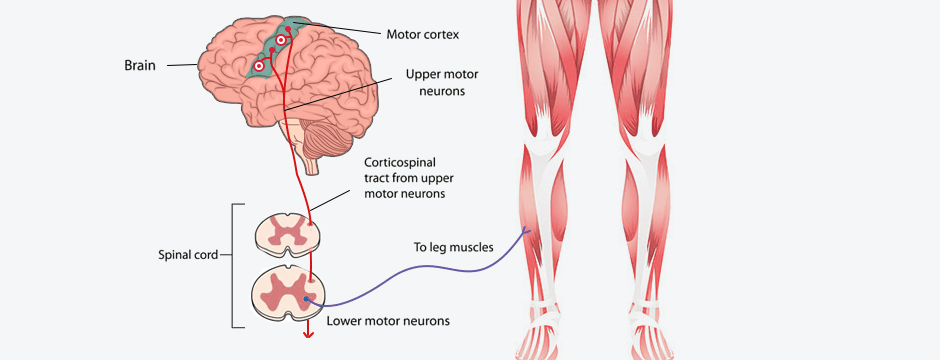
Every movement begins in your brain.
When you decide to stand up from a chair, squat down to pick something up, or press a barbell overhead, your brain sends electrical signals down your spinal cord and into your muscles. Those signals tell individual muscle fibers when to contract, how hard to contract, and how to coordinate with the rest of your body.
Strength training improves this communication.
Over time, your nervous system becomes more efficient at recruiting muscle fibers, coordinating movement, and producing force.
That's one reason beginners often become dramatically stronger within the first few weeks of lifting, even before they've built much muscle. [7]
But the benefits extend far beyond lifting heavier weights.
Many strength exercises challenge balance, coordination, timing, and body awareness simultaneously.
Think about a squat for example.
Your brain isn't just telling your legs to move. It's coordinating your hips, knees, ankles, feet, trunk, breathing, posture, and balance, all at the same time.
Every repetition becomes practice for your entire movement system.
As we age, maintaining these neuromuscular abilities becomes increasingly important because quick reactions, balance, and coordination all play major roles in preventing falls. Strength training helps keep that communication between your brain and body sharp.
6. The Strongest Thing I Built Wasn't My Body
It was my confidence. And it has nothing to do with how I look.
I grew up in a culture with incredibly strict beauty standards. Like many women, I spent years believing that looking a certain way was the goal. That if I could just lose a little more weight, fit into a certain size, or look more like the women I saw around me, I'd finally feel confident.
Then I discovered strength training.
At first, I still cared about aesthetics. But somewhere along the way, my focus shifted.
Instead of asking, "Do I look good enough?", I started asking, "What else can my body do?"
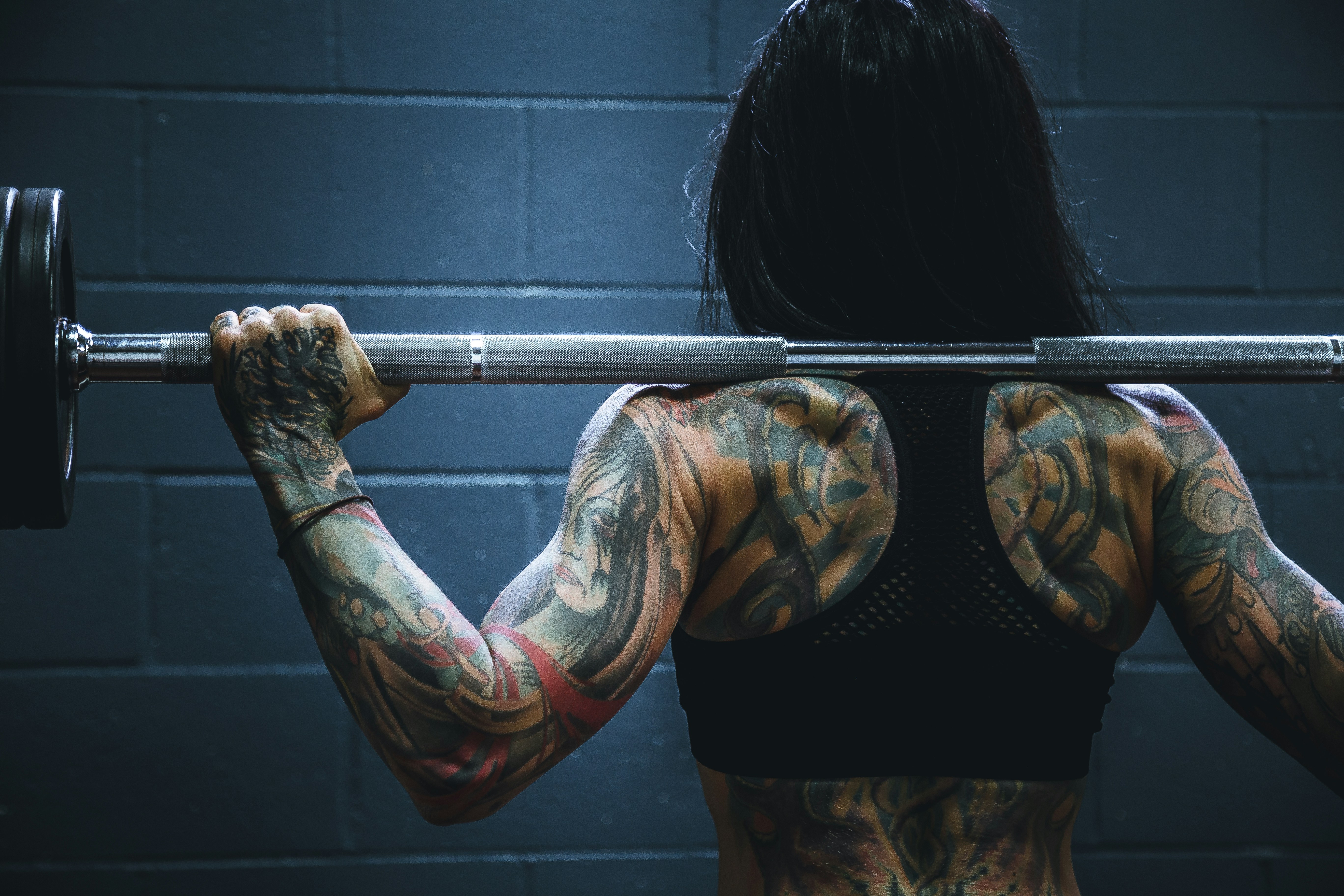
I celebrated my first pull-up. Then my first weighted pull-up. Eventually, I was strapping 70 pounds around my waist and pulling myself over the bar.
I squatted and deadlifted more than my own bodyweight.
And somewhere between all those milestones, something quietly changed. I stopped seeing my body as something to constantly fix and started seeing it as something incredibly capable. That's the kind of confidence no beauty trend can give you.
Beauty standards change constantly. Every few years, someone decides a different body type is the "ideal."
Strength doesn't work like that.
If you’re strong, you're still capable regardless of what happens to be fashionable that year. Your value isn't measured by whether you fit the current trend. Your body is worth so much more than being decorative. It's the vehicle that carries you through your entire life.
Learning what it can do is far more rewarding than constantly worrying about how it compares to someone else's.

7. Age Strong, Not Small
One of the saddest myths about aging is that decline is inevitable. That getting weaker, moving less, and giving up the activities you love is simply part of growing older.
The reality is more nuanced.
Yes, aging is inevitable. But how we age is influenced by the choices we make throughout our lives.
Think about the life you want decades from now. Maybe you want to hike through national parks. Maybe you want to chase your grandchildren around the backyard.
Maybe you simply want to carry your own groceries, climb the stairs to your apartment, or get up from the floor without needing someone else's help.
These moments rarely make it into fitness advertisements. Yet, they're some of the most meaningful expressions of strength.
One phrase I often hear, especially from women, is:
"I don't want to get too big."
And I understand where that concern comes from.
For decades, we've been told that women should become smaller. Take up less space. Be lighter. Be quieter. Shrink ourselves.
But what if, instead of trying to become smaller, we focused on becoming more capable?
More capable of living independently. More capable of recovering from setbacks. More capable of doing the things we love for as long as possible.
Strength creates more possibilities.
The goal isn't to look like a bodybuilder. The goal is to build a body that supports the life you want to live.
One that carries you through adventures. One that helps you recover when life throws you a curveball. One that lets you say "yes" to opportunities instead of wondering whether your body can handle them.
Final Thoughts
Maybe skinny is back. Maybe it won't be next year.
Beauty standards have changed throughout history, and they'll continue changing long after this trend has passed.
Your muscles don't care. Your bones don't care. And your future self certainly doesn't care.
What your future self will care about is whether you can keep doing the things you love. Whether you can move without fear. Whether you can recover from life's unexpected challenges. Whether you remained strong enough to stay independent.
So if you decide to strength train, don't do it because social media says one body type is better than another.
Do it because you only get one body.
Take care of it. Challenge it. Invest in it.
Not because you're trying to become someone else…
But because you're giving your future self every opportunity to live a long, healthy, and capable life.
The strongest body isn't necessarily the one that looks the most impressive.
It's the one that allows you to keep living life on your own terms.
A Note From Me
As a coach, I love helping people get stronger.
Yes, sometimes that means helping someone achieve their first pull-up, squat a personal best, or finally feel confident in the gym.
But the moments I'm proudest of are often much quieter than that.
It's the client who tells me carrying groceries no longer hurts. The one who realizes they can get up off the floor with ease. The parent who can finally keep up with their kids. The woman who stops apologizing for taking up space and starts celebrating what her body can do.
Those victories don't usually go viral, but they matter.
And in twenty or thirty years, they'll matter far more than whether "skinny" happened to be trending in 2026.
Before You Go...
If you've never strength trained before, you don't need to start with complicated routines or spend hours in the gym. Two to three well-designed sessions per week can make a meaningful difference over time. Start with the basics, focus on good technique, and remember that consistency will always beat perfection.
And if you're worried that lifting weights will make you bulky...
I wrote an entire article breaking down why that's one of the biggest myths in fitness.
Your future self will thank you for starting today.
Medical Disclaimer
This article is intended for educational purposes only and should not be considered medical advice. If you have a medical condition, chronic pain, osteoporosis, are recovering from surgery, or are unsure whether strength training is appropriate for you, consult your physician or another qualified healthcare professional before beginning a new exercise program.
References & Further Reading
[1] Sarcopenia: revised European consensus on definition and diagnosis (EWGSOP2)
Cruz-Jentoft AJ et al., Age and Ageing (2019)
https://academic.oup.com/ageing/article/48/1/16/5126243?login=false
[2] Exercise for Sarcopenia in Older Adults: A Systematic Review and Meta-analysis
https://pubmed.ncbi.nlm.nih.gov/37057640/
[3] Physical Activity and Bone Health. Kohrt WM et al.
https://pmc.ncbi.nlm.nih.gov/articles/PMC6179512/
[4] The Basic Science of Articular Cartilage. Alice J Sophia Fox *, Asheesh Bedi †, Scott A Rodeo
https://pmc.ncbi.nlm.nih.gov/articles/PMC3445147/
[5] The underappreciated role of muscle in health and disease. Wolfe RR.
https://pubmed.ncbi.nlm.nih.gov/16960159/
[6] Sarcopenia is associated with postoperative infection and delayed recovery from colorectal cancer resection surgery. Lieffers JR et al.
https://pubmed.ncbi.nlm.nih.gov/22871883/
[7] Neural adaptations to resistive exercise: mechanisms and recommendations for training practices. Gabriel DA, Kamen G, Frost G.
https://pubmed.ncbi.nlm.nih.gov/16464122/