Weightlifting vs. Calisthenics: What They Are and Their Benefits
Weightlifting
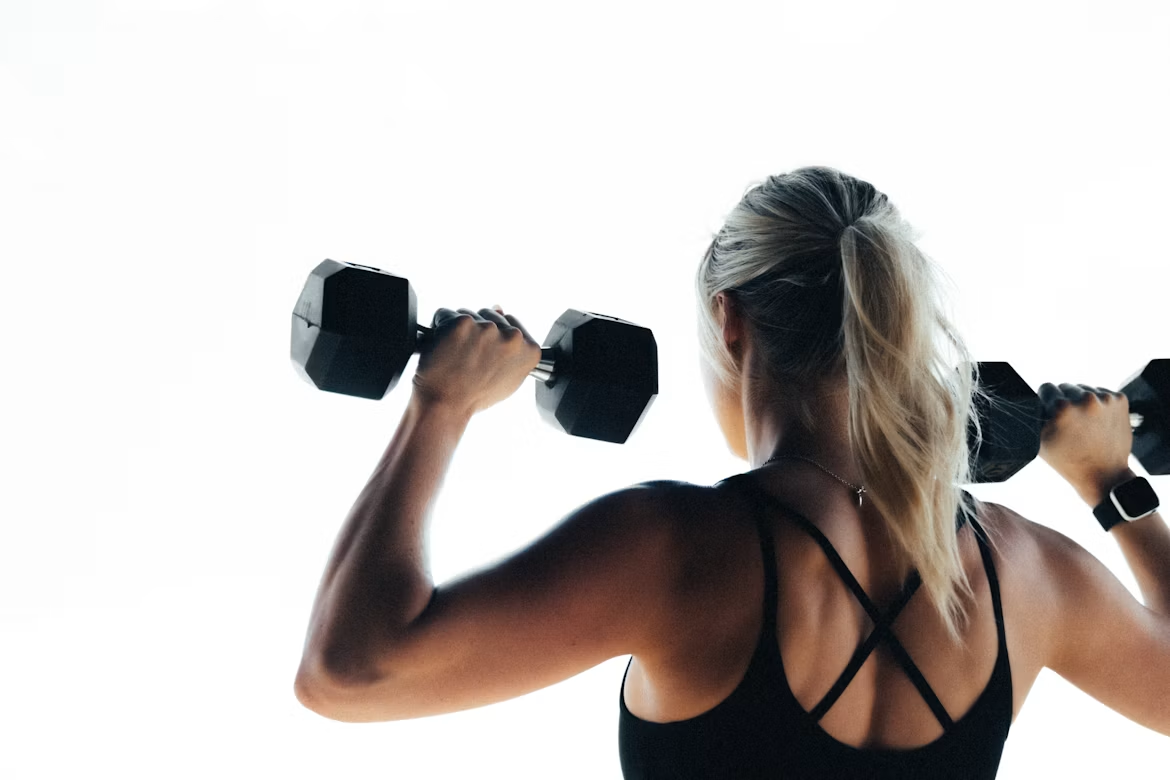
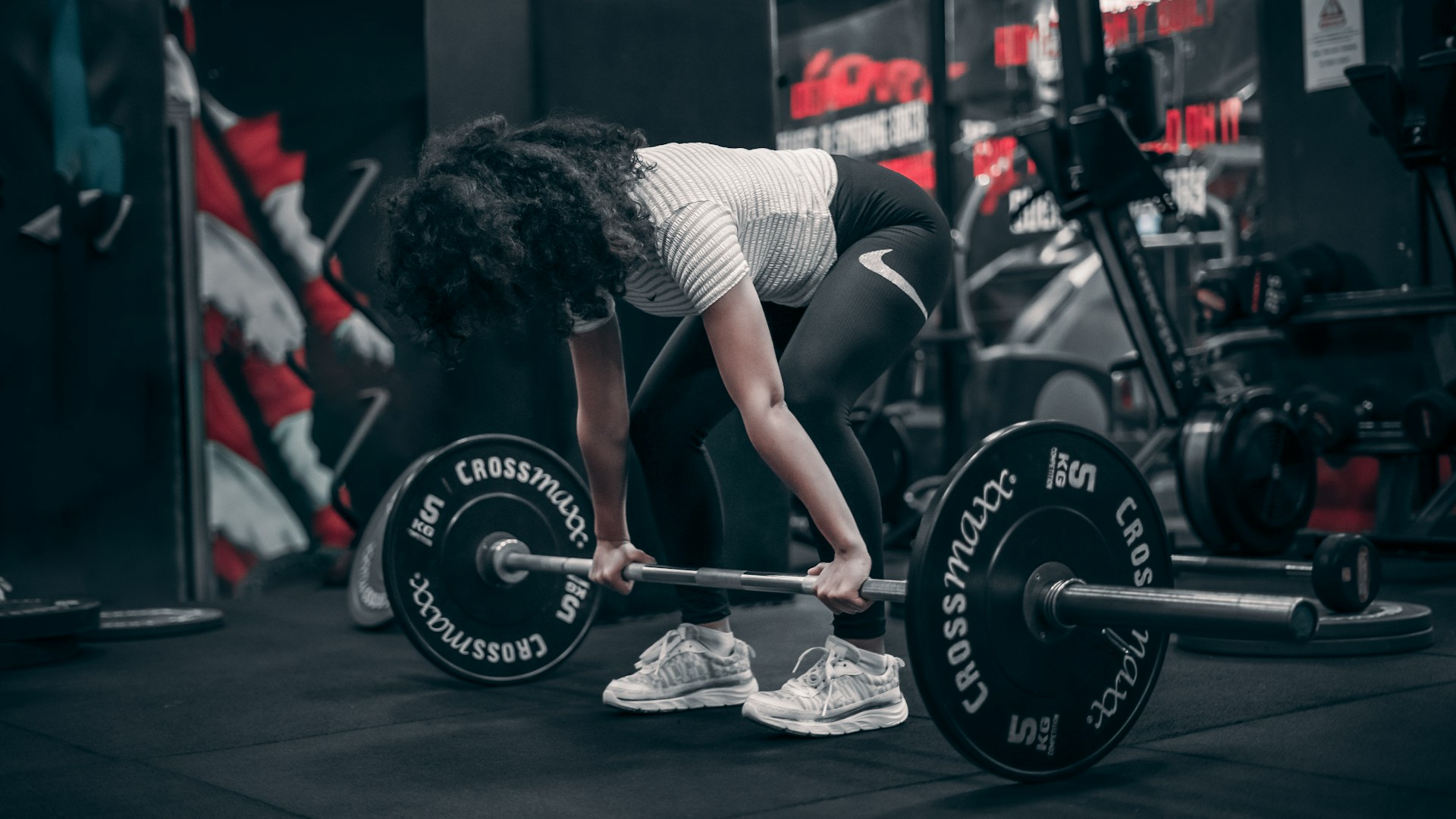
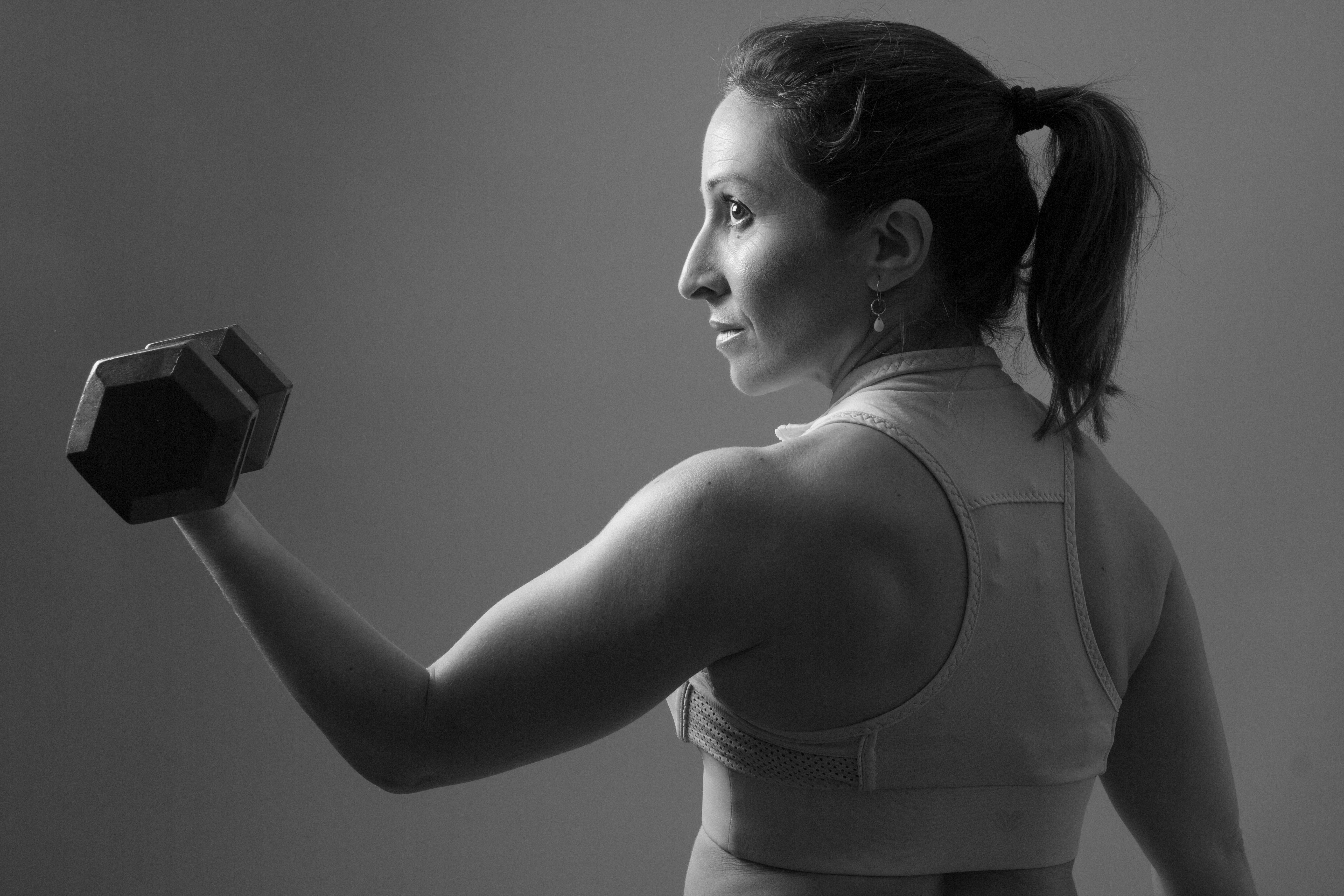
Weightlifting is a form of strength training using free weights and machines. It shines when it comes to progressive overload, muscle growth, and predictable strength gains. Here’re the advantages:
- Allows for precise control of loads with measurable variables (the weights)
- Generally lower injury risk, especially when seated or when using machines
- Makes isolation work easier and more targeted
- Ideal for hypertrophy (building muscle size)
- Progress is straightforward to track and plan
Calisthenics
Calisthenics is a form of strength training using only your bodyweight. Calisthenics excels at teaching you how to use your strength, not just display it. Here’re the advantages:
- Allows for development of total-body awareness, control, and coordination
- Improves motor skills and movement efficiency
- Encourages functional strength as you learn to control your own body in space
- Minimal to no equipment needed
- Let’s be honest…skills like handstands, muscle-ups, and human flags are objectively cool
Where Each Discipline Falls Short
Limitations of Weightlifting
- Can become overly isolating, especially when relying heavily on machines or seated exercises
- Often neglects core integration, coordination, and full-body control
- Strength gains don’t always transfer automatically to complex movement or athletic skills
Limitations of Calisthenics
- Can be very demanding on the joints without proper preparation and progressive conditioning
- Joint pain is common when skills are rushed or over-practiced
- Easier to overdo or "spam" skills compared to traditional strength training with defined sets and reps
- Progress can be harder to track, especially with skill-based work
Why Weightlifting and Calisthenics Work Better Together
Because weightlifting allows for controlled, scalable loading, it’s an excellent tool for supporting calisthenics training. Accessory strength work can help:
- Build the muscle mass needed to support harder bodyweight skills
- Condition joints and connective tissue
- Reduce injury risk through safe progressive overload
- Bigger muscles generally mean greater potential for strength and power.
If you’re a beginner interested in calisthenics but don’t yet have the base strength, adding weightlifting can dramatically accelerate your progress in a safer manner. The key word here is safe. It does this by allowing for a more predictable and precise loading of weights.
On the flip side, calisthenics gives weightlifters a way to:
- Apply their strength in more coordinated and functional ways
- Improve body control and movement quality
- Add variety, challenge, and fun to potentially repetitive training splits
If you’re an intermediate or advanced weightlifter, calisthenics can be even more rewarding. This is because your existing strength base often allows you to progress to impressive skills much faster than someone starting from scratch.
How to Combine Weightlifting and Calisthenics
1. Determine Your Priority
Ask yourself: Are you primarily a weightlifter who wants to add calisthenics skills? Are you a calisthenics athlete looking to use weights for support? Are you a complete beginner or more advanced? Your answer will help guide how you structure your week.
2. Structure Your Training Week
This will vary depending on your focus. Here are some examples.
If Weightlifting Is Your Main Focus:
- 3 days weightlifting / 2 days calisthenics skill work, or
- 5 days of a standard weightlifting split, with short skill sessions added
- Another simple approach is to add 10–20 minutes of calisthenics skill work before your lifting session (handstand practice, front lever drills, muscle-up progressions etc.)
If you prefer the sets and reps aspect of calisthenics, exercises like pull-ups and dips can be very easily integrated into weightlifting programs. I personally like to place them earlier in the workout since they’re considered compound movements and thus, they tend to be more demanding.
If Calisthenics Is Your Main Focus:
Ask yourself whether weightlifting is mainly for joint conditioning and injury prevention, or hypertrophy and strength support
You can:
- Use day splits (3–4 calisthenics days, 1–2 weightlifting days), or
- Add 2–3 weightlifting movements after your calisthenics sessions to save time
The latter is my preferred approach.
Examples:
After a calisthenics push day (handstands, planche work): Overhead press, lateral raises, triceps extensions
After a calisthenics pull day (muscle-ups, front lever work): Lat pulldowns, biceps curls, rear delt flyes
For joint conditioning, use lighter weights and higher reps. For hypertrophy support, use moderately heavier weights (no ego lifting) in the 8–10 rep range.
In the end…
Weightlifting and calisthenics are not rivals. They’re tools. One builds the engine. The other teaches you how to drive it. If your goal is to become stronger, more capable, and more resilient you don’t need to pick a side. Do both.