The Myth: “Lifting Weights Will Make Me Bulky”
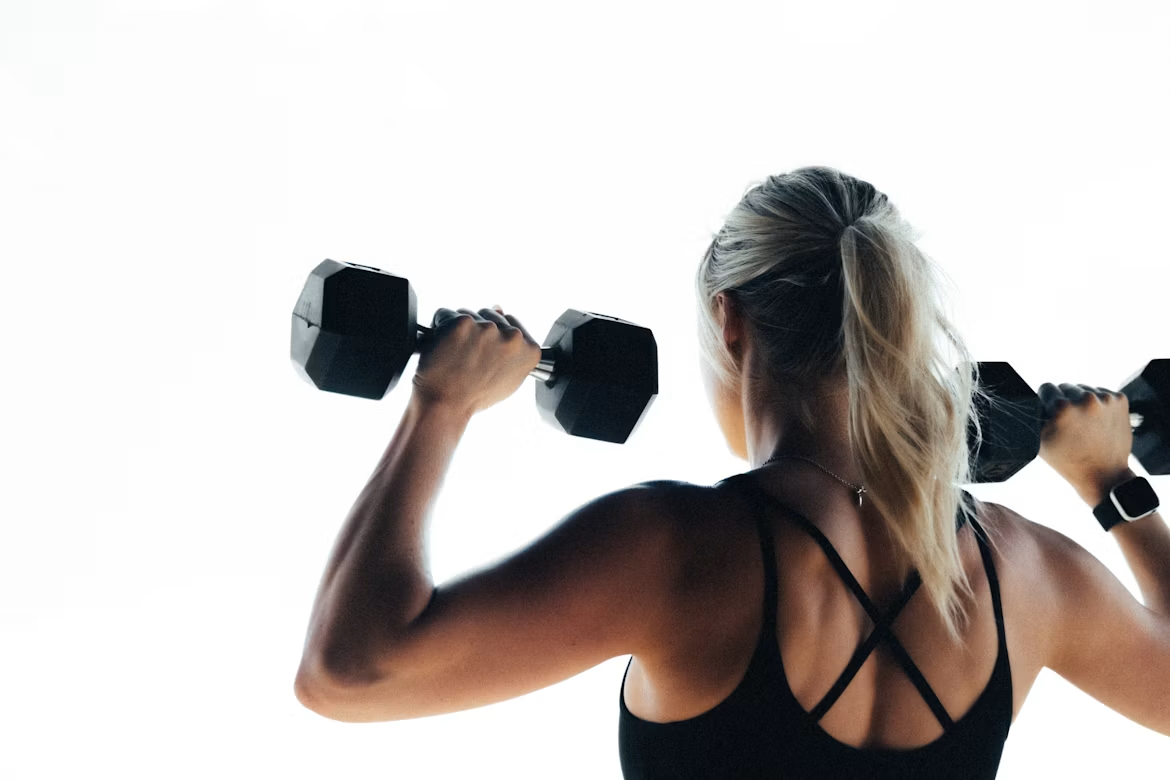
Short answer: no. Muscle does not magically make women bulky. What most people interpret as “bulky” is actually muscle plus body fat sitting on top of it. Let break it down:
A woman starts weightlifting → she builds some muscle → her activity level increases → hunger increases → diet doesn’t change → she gains muscle and fat.
The fat sits on top of the muscle, which can make the body look larger overall. Now compare that to this scenario:
A woman lifts weights and works on a sustainable, healthy diet (adequate protein, enough carbs for energy, healthy fats, and appropriate calories). More muscle + more activity = higher energy expenditure. Protein supports muscle, controlled calories allow fat loss, and the result is what most people describe as the “toned” look.
In simple terms: weightlifting doesn’t make you bulky, weightlifting in a calorie surplus does.
Why Strength Training Matters Beyond Aesthetics
Once we move past appearance, the real benefits of strength training become clear.
Your bones don’t move on their own. Muscles attach to bones, and when muscles contract, they pull on the skeleton to create movement. Stronger muscles can translate to better movement quality, more joint stability and less strain on passive structures like ligaments and tendons.
When your body feels strong and supported, it’s also more willing to move into deeper ranges of motion, especially when strength training is combined with mobility and flexibility work.
As we age, having muscle is what allows us to get up from the floor, bend, lift, and carry safely, catching ourselves when we trip. Many common issues in older adults, such as chronic lower back pain, knee pain, pain from lifting or bending, and falls can be reduced or even prevented with stronger muscles. Consequently, all of these benefits allow us to stay independent for longer.
Strength Training, Aging, and Women
So why talk about aging so much?
Because starting around our 30s, we naturally lose muscle mass and bone density every decade. This process accelerates with age, and women are particularly vulnerable due to hormonal changes, especially after menopause. Women are significantly more prone to Osteopenia (loss of bone mineral density) and Osteoporosis (fragile bones with higher fracture risk). Strength training is one of the most effective tools we have to slow this process down and in many cases, improve bone density and muscle mass when done consistently.
Yet we live in an appearance-driven culture that tells women lifting weights will make them “look like a man.” Not only is that untrue, it’s actively harmful misinformation.
Saying you don’t want to lift weights because you’ll look like a bodybuilder is like saying you don’t want to play basketball because you’re afraid you’ll turn into Michael Jordan. Training doesn’t work that way.
As women, we should be strength training, not to look a certain way, but to protect our future selves.
Is It Too Late to Start Strength Training?
Absolutely not!
Whether you’re in your 40s, 50s, or 60+, strength training can:
- Slow the rate of muscle and bone loss
- Improve balance and coordination
- Increase confidence in daily movement
- Improve overall quality of life
Starting later is still far better than never starting at all.
How to Get Started With Strength Training
Use What’s Accessible
Online workouts and YouTube programs aren’t perfect, but they can be a low-barrier way to start moving and build consistency. Creating the habit matters more than doing everything “optimally” at the beginning.
Hire a Professional
Even 3-6 months with a good coach can:
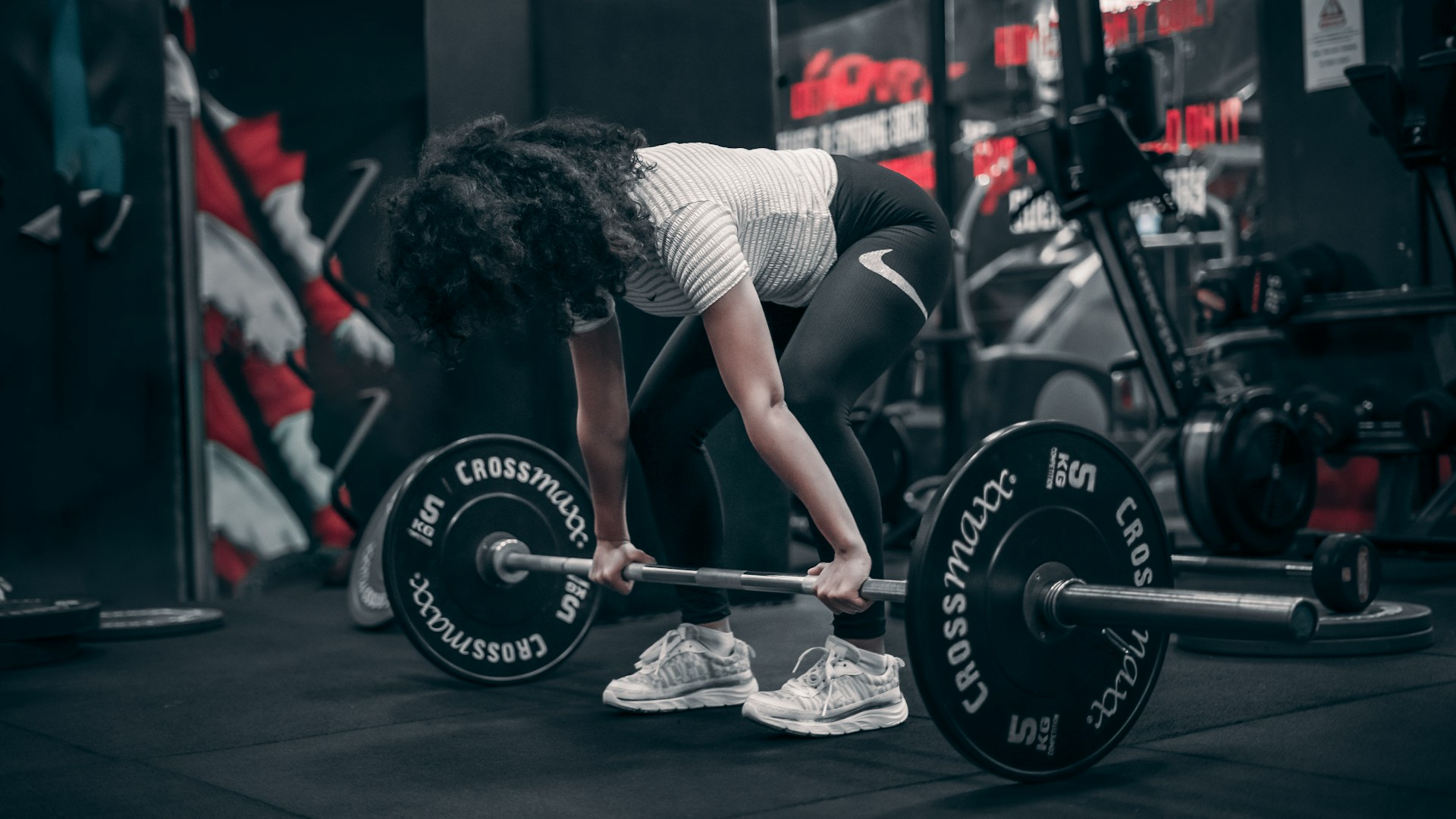
- Teach proper technique
- Build confidence in the gym
- Give you a clear structure to follow
That foundation often makes it much easier to train independently afterward.
Final Thoughts
Strength training isn’t about becoming bulky, manly, or extreme. It’s about staying strong enough to live your life, now and decades from now. Trends will come and go. Muscle, bone health, and independence are worth keeping.