Is Calisthenics for Everyone? The Honest Truth About Getting Started
Scroll through social media and calisthenics looks extreme. Muscle-ups that look effortless. Handstands held like it’s nothing. People moving in ways that don’t even seem human. So naturally, the question comes up: Is calisthenics for everyone?
The honest answer is: Physically, yes. Mentally… not always.

The Expectation vs Reality of Calisthenics Training
What People See Online
What most people see online is the final product. They see strength, control, and clean reps.
What It Actually Takes
What they don’t see is what it takes to get there:
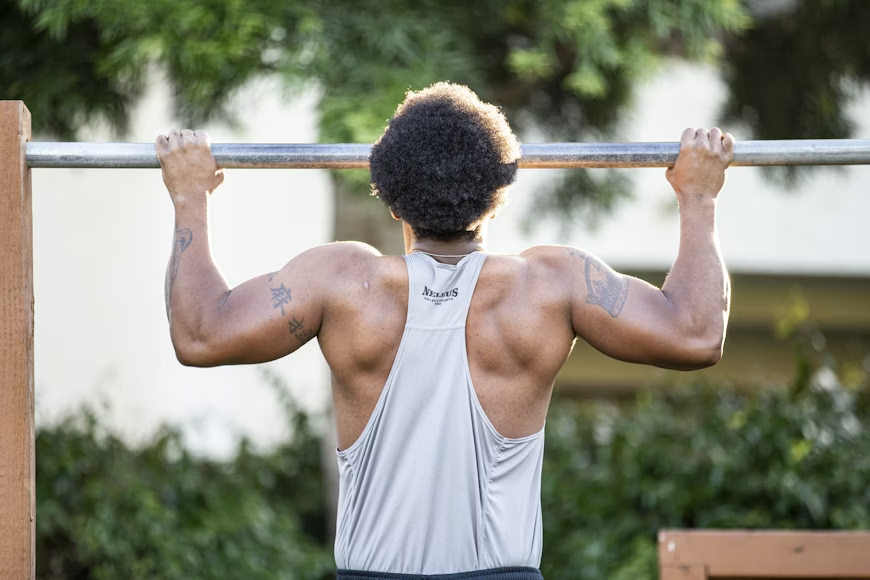
- Weeks and months without a single pull-up
- Repeating the same progression with little visible progress
- Plateaus that last longer than expected
- Training sessions that feel like nothing improved
Calisthenics has a way of making you feel like a beginner regardless of where you are in the journey. Advanced skill like the planche can take 1-3 years to achieve….and even more years to master.
Why This Gap Matters
That gap between expectation and reality is where many people struggle and often quit.
Do You Need Strength to Start Calisthenics?
The Biggest Misconception
One of the biggest misconceptions is that you need to be strong before starting. From coaching experience, that’s not what determines progress.
What Actually Determines Progress
Where you start matters far less than how you approach the process. Some beginners with very little strength progress steadily because they stay consistent and patient.
On the other hand, some stronger individuals struggle, not because they lack ability, but because they’re not used to failing as often.
The Reality of Progress
Because the truth is:
Calisthenics involves a lot of failure.
You attempt a movement. You fall short. You try again. That repetition is what builds strength over time.

Why Calisthenics Is Mentally Challenging
The Physical vs Mental Challenge
Calisthenics is physically demanding, but the real challenge is mental.
What It Requires Mentally
It requires you to:
- Be comfortable failing regularly
- Practice the same basics for longer than expected
- Let go of ego and train at your current level
- Stay consistent without immediate results
What Progress Actually Feels Like
You might train for weeks or months before your first pull-up. You might spend months working toward a skill that still feels out of reach. Many sessions, especially in the beginning, won’t feel impressive.
That’s not a problem with your training. That’s how calisthenics works. Calisthenics is humbling by design.
Is Calisthenics for Beginners?
The Physical Side
If we’re talking about physical ability: Yes! Calisthenics is for beginners.
Movements can always be scaled:
- Push-ups → incline push-ups
- Pull-ups → assisted variations
- Core work → simpler holds
You don’t need pre-existing strength. You build strength through the process.
The Mental Side
But if we’re talking about the experience: Not everyone enjoys the slow, repetitive, and sometimes frustrating nature of calisthenics training. That’s where the real challenge lies. Regardless of failures, plateaus and doubts, you have to trust the process make the decision to show up anyway…without knowing how long it’s going to take.
How to Start Calisthenics (Simple Beginner Approach)
Where to Begin
If you want to start calisthenics, keep it simple.
Begin with foundational movements:
- Incline push-ups
- Assisted pull-ups or band work
- Dead hangs
- Basic core exercises like planks
What to Focus On
Focus on consistency over intensity, small improvements over time and building a solid foundation.
What to Expect
Most importantly, expect progress to be slow at first.
That’s normal, and part of the process.
Final Thoughts: The Truth About Calisthenics
What Really Matters
Calisthenics isn’t about whether you’re strong enough to begin. It’s about whether you’re willing to stay consistent when progress feels slow and frustrating. The people who succeed in calisthenics aren’t the ones who start ahead. They’re the ones who keep showing up, especially when it’s hard.
FAQ: Calisthenics for Beginners
Is calisthenics good for beginners?
Yes. Calisthenics is one of the most beginner-friendly forms of training because exercises can be scaled to any level. You can start with simple variations and progress over time.
How long does it take to see progress in calisthenics?
Most beginners notice strength improvements within a few weeks, but skills like pull-ups or advanced movements can take months or years depending on consistency.
Do I need to be strong to start calisthenics?
No. You build strength through calisthenics. Starting with regressions like incline push-ups or assisted pull-ups is completely normal.
Why is calisthenics so hard?
Calisthenics is challenging because it requires controlling your full body weight. Progress is often slower and requires patience, consistency, and mental resilience.
Can anyone learn calisthenics?
Most people can learn calisthenics with the right progressions and consistency. The main challenge is not physical ability, but staying committed through slow progress and frequent failure.